
How to Search St. Joseph County Traffic Court Records
Two state tools cover most traffic searches. Indiana MyCase shows traffic and infraction cases by name or case number. The Indiana online payment portal lets you look up a citation and pay if eligible. Set the county to St. Joseph in MyCase to keep results local, and use the citation number when you have it for the cleanest match.
Indiana's traffic and operating-while-intoxicated laws sit in Title 9. You can read the traffic and OWI statutes at Indiana Code § 9-30. The county traffic and misdemeanor page explains local handling and payment options.
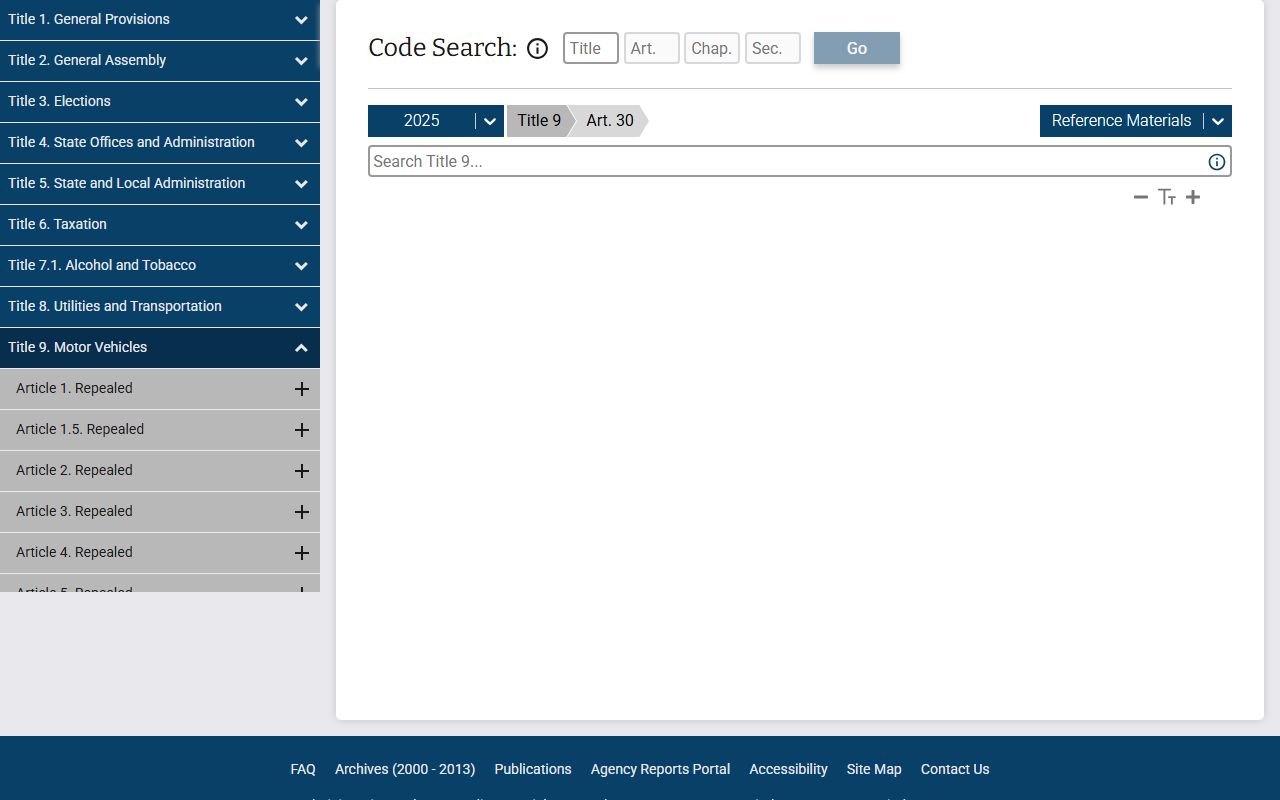
That title covers speeding and equipment infractions through serious OWI offenses, so it is the legal backbone of most traffic cases.
Which Courts Handle Traffic Cases in St. Joseph County
Traffic cases do not all land in one court. The route depends on the issuing agency and where the offense happened. The county Traffic and Misdemeanor Division handles many countywide tickets and minor misdemeanors. South Bend City Court and Mishawaka City Court hear city ordinance and local traffic matters within their areas.
This split matters when you search or pay. A citation from a city police officer may route to that city's court, while a county or state stop may route to the county division. The official county traffic page is the place to confirm where a specific ticket goes. Visit the St. Joseph County Traffic and Misdemeanor Division page for current handling.
Types of Traffic Cases on Record
Traffic records span a wide range, from minor infractions to serious crimes. The category controls how a case is handled and how it appears in a search.
- Infractions, such as speeding and equipment violations, which are civil tickets.
- Ordinance violations issued under city rules.
- Misdemeanor traffic offenses, like driving while suspended.
- OWI and DUI cases, which are criminal and may carry jail exposure.
- Failure to appear or pay, which can add fees and a warrant.
An infraction is not a crime, but a serious or repeat offense can be. The case type in MyCase tells you which bucket a ticket falls into.
Photo enforcement and out-of-state issues add wrinkles. Drivers who cross between Indiana and Michigan sometimes carry tickets in both states, and a St. Joseph County record covers only the Indiana side. A Michigan or federal matter is a separate system, so a clean Indiana search does not clear a record in another state.
What St. Joseph County Traffic Court Records Show
A traffic court record holds the case details, not your driving history. The fields below are common in a St. Joseph County traffic case, whether it is a simple ticket or a contested matter.
| Field | What It Shows |
|---|---|
| Citation number | The ticket identifier tied to the stop. |
| Charge or statute | The violation and the law it falls under. |
| Court | The county division or city court hearing the case. |
| Hearing date | When the case is set, if a hearing applies. |
| Plea and disposition | How the case was answered and resolved. |
| Fine and costs | The amount owed and the payment status. |
| FTA or warrant | Any failure-to-appear or warrant entry. |
The court record shows what happened in the case. It does not list your license points or suspensions, which live in the state driver record.
Searching by Citation Number or by Name
You can search a traffic case two main ways. The citation number is the fastest and most exact, since it points to one ticket. A name search works when you do not have the number, though it can return several results. The table lists the fields the lookup uses.
| Field Label | Type | Required | Notes / Format |
|---|---|---|---|
| Citation Number | Text | No | Best for traffic tickets; exact match. |
| Case Number | Text | No | Use if the ticket became a court case. |
| Name | Text | No | Used when the citation number is unknown. |
| Date of Birth | Date | No | Narrows identity on a name search. |
| County | Dropdown | No | Select St. Joseph. |
| Search / Submit | Button | n/a | Runs the lookup. |
If a citation does not appear yet, give it a few days, since a new ticket takes time to post to the online system.
Paying or Contesting a St. Joseph County Traffic Ticket
You usually have two choices: pay the ticket and admit the violation, or contest it in court. Read the citation and any court notice first, since both carry deadlines. Missing a deadline can add fees, a license consequence, or a warrant.
- Read the citation and the court notice for the deadline and options.
- Search the online payment portal or MyCase for the case or citation.
- To admit and pay, pay before the deadline if you are eligible.
- To contest, follow the court's not-guilty or hearing instructions.
- If you hold a CDL, check the commercial-license consequences before you pay.
Eligible cases can be paid online through the Indiana online court payment portal. Contesting usually means a not-guilty plea or a court appearance rather than simply paying.
Public Access Laws for Traffic Court Records
Traffic court records are court records, so they follow the Indiana Rules on Access to Court Records and are presumed open. Infractions and most misdemeanor traffic cases are public and searchable in MyCase. Sensitive fields, like a Social Security number, are redacted, and any sealed or expunged matter drops from public view.
The prosecutor's role appears in criminal traffic matters such as OWI. Indiana's prosecuting attorney statutes sit in Title 33. You can read them at Indiana Code § 33-39.
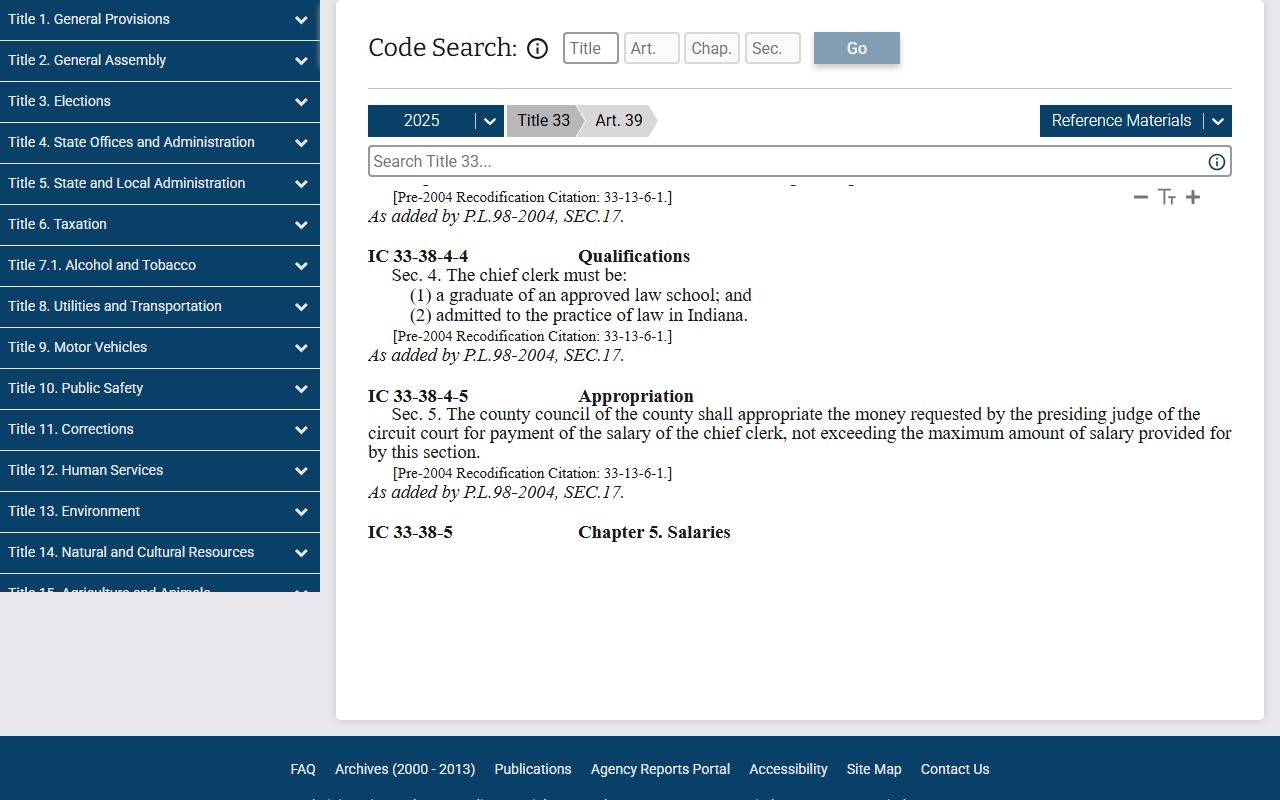
For a civil infraction, there is usually no prosecutor; for a criminal traffic charge, the prosecutor handles the state's case.
Court Traffic Records and State Driver Records
This is the distinction that confuses the most people. The court traffic record and the state driver record are two different files kept by two different systems. One is about the case; the other is about your license. You may need both, but you request them in different places.
Court traffic record: the citation, charge or statute, court, hearing date, plea, disposition, fines and costs, and any failure-to-appear or warrant entry. You find it in MyCase and the county courts.
State driver record: license status, convictions reported to the state, points, suspensions, CDL reporting, and reinstatement requirements. You request it from the state motor vehicle agency, not the court.
So a dismissed ticket shows a dismissal in the court record, while the driver record reflects only what is reported to the license file. Checking one does not tell you the other.
This matters for fixing errors too. If the court record is wrong, you correct it through the court that handled the case. If the driver record is wrong, you correct it through the state motor vehicle agency. People often check only the court file and assume their license is clear, then learn at renewal that the driver record tells a different story.
CDL and Commercial Driver Records
Commercial drivers face stricter rules. A CDL holder can lose commercial driving privileges for offenses that would only cost an ordinary driver points. Federal and state rules limit a CDL holder's ability to mask a violation, so options that work for a regular ticket may not apply.
Because of this, a CDL holder should check the commercial consequences before paying or pleading to any traffic charge. What looks like a minor ticket can carry a major impact on a commercial license and a livelihood, so legal advice is often worth the cost for a CDL driver.
OWI and DUI Cases
Indiana calls drunk or drugged driving operating while intoxicated, or OWI. These are criminal cases, not simple infractions, and they can carry jail exposure, license suspension, and lasting consequences. An OWI case appears in MyCase as a criminal matter and may connect to a booking on the jail roster.
Because an OWI is criminal, the path runs through the criminal court and the prosecutor. For arrest, booking, and criminal-case detail, see the St. Joseph County arrest records page, which covers how a criminal traffic charge moves through the system.
Deferred Adjudication and Defensive Driving
Some drivers can avoid a conviction on a minor ticket through a deferral or a driver-safety program, where the court and prosecutor allow it. A deferral may hold the case open while you meet conditions, then dismiss it if you comply. A defensive-driving course can sometimes reduce the impact of a ticket.
These options depend on the offense, your record, and local court practice, so they are not guaranteed. The court notice or the county traffic page explains what is offered, and a CDL holder should confirm whether a deferral even applies to a commercial license.
Sealing or Expunging Traffic Records
Criminal traffic matters, like an OWI, may be eligible for expungement under Indiana law after waiting periods and other conditions. Civil infractions are handled differently and are generally not crimes, so the expungement framework focuses on criminal cases.
If you want to clear a criminal traffic record, the eligibility rules track the broader Indiana expungement law. The St. Joseph County arrest records page covers the expungement process, and an attorney or Indiana Legal Services can advise on whether a specific case qualifies.
Fees for Traffic Record Copies
Traffic cases involve fines, court costs, and copy fees. Indiana sets court costs by statute, and the Clerk applies a local schedule for copies, so confirm the current amount before you pay. The table lists the common items.
| Item | Amount |
|---|---|
| Online citation payment | Citation amount plus any portal fee |
| Court costs on a traffic case | Governed by Indiana Code § 33-37 |
| Certified copy of a traffic record | Set by the local Clerk schedule; confirm with the Clerk |
| Defensive driving or program fee | Program or vendor specific |
Indiana court costs and fees are set under Indiana Code § 33-37. The same statute governs the costs added to a traffic case.
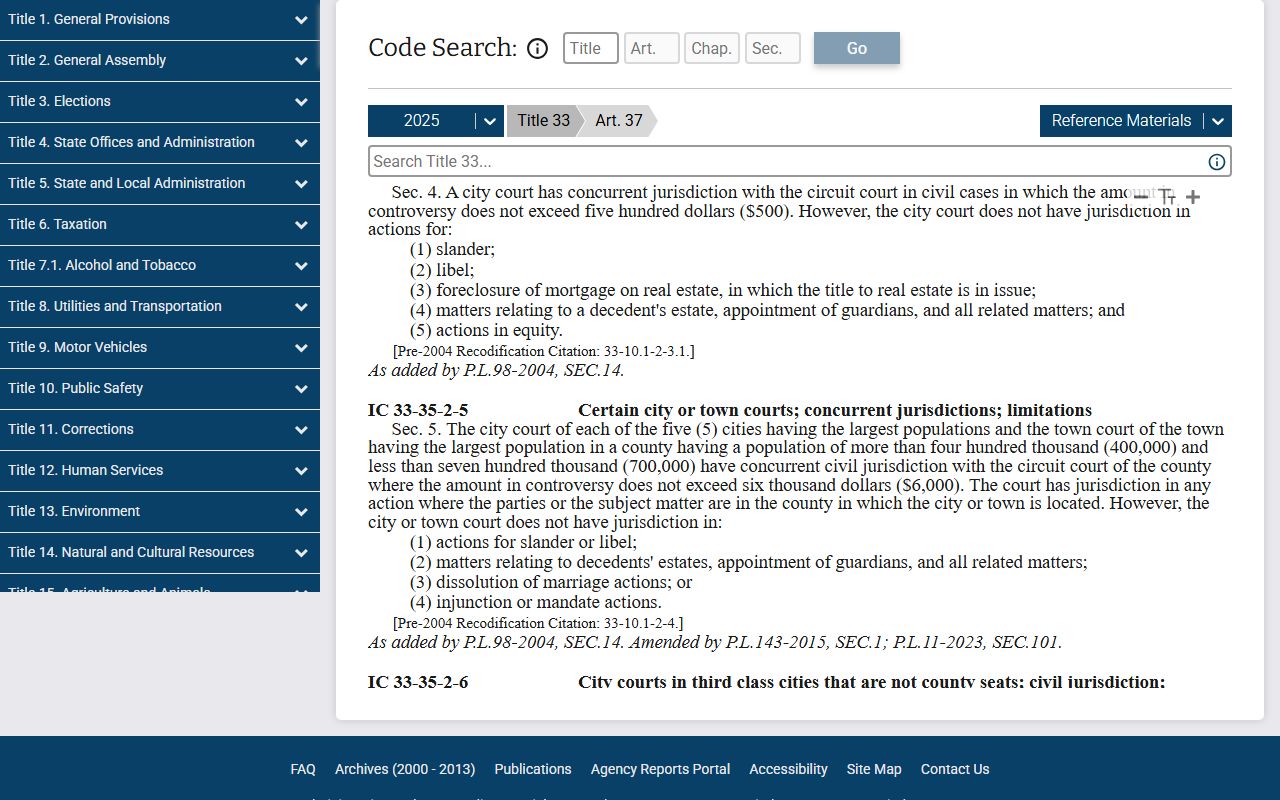
A failure to pay can add fees and a license consequence, so paying or contesting on time is the cheaper path.