
The Indiana Access to Public Records Act
Indiana's Access to Public Records Act, known as APRA, is the law behind most St. Joseph County public records requests. It sets a public policy that government records are open unless an exception applies. Agencies must allow inspection and copying of disclosable records, and they must give a reason when they deny a request. The act is found at Indiana Code § 5-14-3.
APRA covers the records of public agencies, which includes county offices and local government bodies. Court case records follow a separate set of rules, but the spirit is the same: open by default, with narrow, defined exceptions. The Indiana Public Access Counselor publishes guidance that explains how the act works in practice.
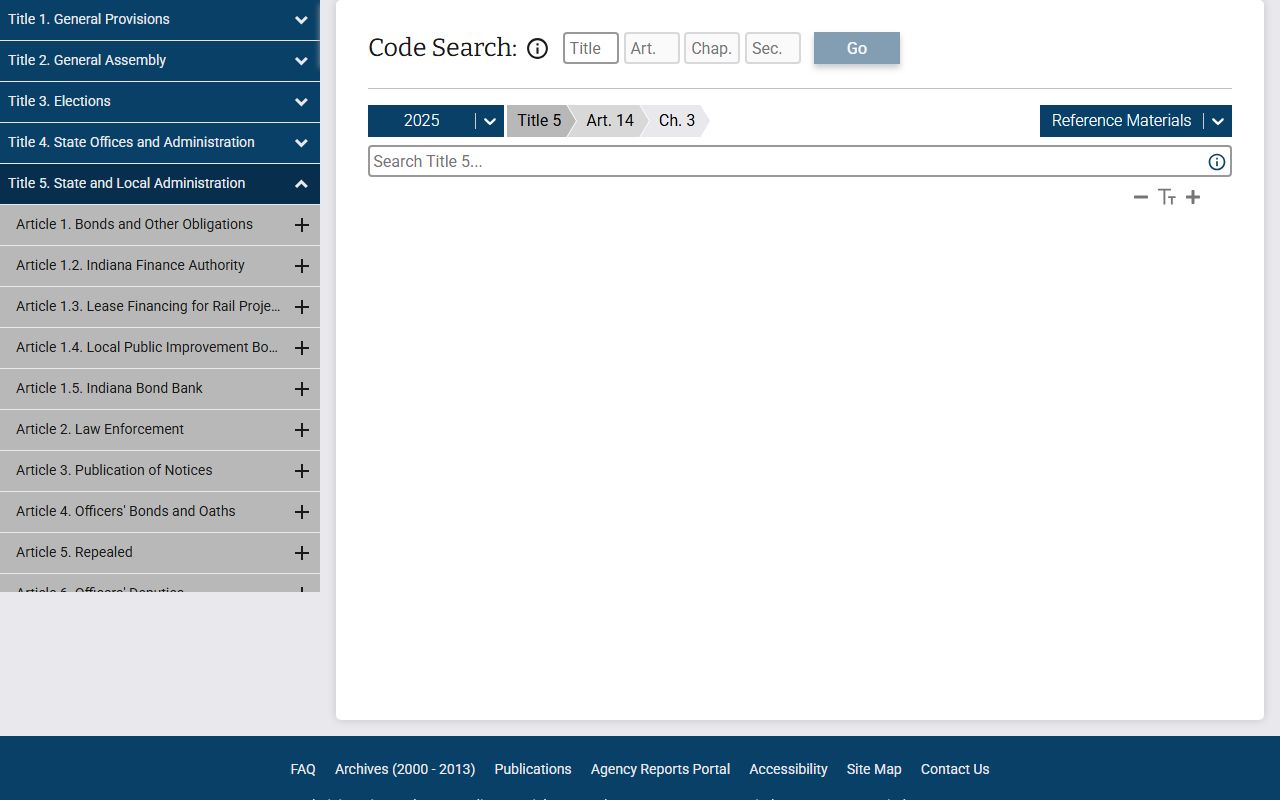
That statute is the starting point for nearly every public records question at the county level.
Court Records and Government Records
St. Joseph County records fall into two systems. Court case records are governed by the Indiana Rules on Access to Court Records, set by the state Supreme Court, and are searched through MyCase. Government office records, like county board minutes or many county-office files, are governed by APRA and are requested directly from the agency.
The line matters because the request path differs. For a court case, you search MyCase or ask the Clerk. For a government record, you file an APRA request with the agency that holds it. For the court-side framework, see the St. Joseph County court records page, and read the Indiana Rules on Access to Court Records for the court rules.
Records the County Clerk Maintains
The St. Joseph County Clerk holds a wide set of records tied to the courts. Beyond case files, the Clerk handles marriage licenses, court fee and fine processing, and child-support payment functions tied to court orders. The Clerk is the local office for certified court copies.
Other county offices hold their own records, from property and deeds to business filings, depending on the office. Law enforcement records, such as incident and arrest reports, come from the police records division. For Clerk services and contacts, see the Clerk of Court page.
Common St. Joseph County Public Records
People request many kinds of records from county offices. Knowing which office holds a record saves time and points your request to the right place. Some of the most requested records each have a clear home.
- Court case files and certified copies, through MyCase and the Clerk.
- Police incident and arrest reports, through the police records division.
- Marriage licenses and court fee records, through the County Clerk.
- Property, deed, and business filings, through the relevant county office.
- County board minutes and agency files, through the office that created them.
If you are not sure which office holds a record, the county switchboard or the Public Access Counselor can point you to the right place before you file.
How to File a St. Joseph County Public Records Request
A clear request gets a faster answer. You do not always need a special form, but you do need to identify the records and the agency. The steps below keep a request on track.
- Identify the agency that holds the record, such as a county office or the police records division.
- Describe the records clearly, with dates, names, or a case or report number.
- Submit the request in the method the agency accepts, in writing when possible.
- Ask about copy fees and any cost before the agency starts.
- Keep a copy of your request and note the date you sent it.
The Indiana Public Access Counselor offers a handbook and advice if you are unsure how to phrase a request or where to send it. Start at the Indiana Public Access Counselor office.
Public Records Request Fields
Whether you use a form or a letter, an APRA request usually asks for the same basic information. The table lists the fields that help an agency find and produce the record.
| Field Label | Type | Required | Notes / Format |
|---|---|---|---|
| Requester name | Text | Often yes | Some records can be requested without stating a purpose. |
| Contact information | Text | Yes | Email, phone, or mailing address for the response. |
| Agency | Text | Yes | The office that holds the record. |
| Record description | Text | Yes | Dates, names, case or report numbers. |
| Format requested | Choice | No | Inspect in person, paper copy, or electronic copy. |
| Date of request | Date | Yes | Starts the response clock. |
You generally do not have to explain why you want a public record, though a clear description always speeds the search.
Fees and Copying
Inspecting records is often free, while copies can carry a fee. APRA allows agencies to charge fees that are authorized by statute or a local schedule. Court copy fees come from the Clerk's schedule, and law-enforcement copy fees come from the records division. Confirm the cost before the agency begins.
| Item | Amount |
|---|---|
| Inspection in person | Often free |
| Paper or electronic copies | Authorized by statute or local schedule; confirm with the agency |
| Certified court copies | Set by the Clerk schedule; confirm with the Clerk |
| Police report copies | Set by the records division; confirm before requesting |
A fee that seems too high can be questioned, since APRA only allows charges that the law authorizes.
Response Timelines
Indiana agencies must respond within statutory timelines that depend on how a request is sent. A response is not the same as immediate production. The agency may acknowledge the request, then take reasonable time to gather and review the records, especially when redactions are needed.
If a request is large or involves exempt material, expect the review to take longer. Asking for a narrow, well-described set of records is the best way to get a quick response. The Public Access Counselor handbook explains the timelines in plain terms.
A polite follow-up helps if the deadline passes with no word. Reference your original request and its date. Most delays are about workload or review, not refusal, and a clear reminder often moves a stalled request along without the need for a formal complaint.
Denials and Appeals
An agency that denies a request must explain the denial and cite a basis. If you think a denial is wrong, you have options. You can ask the Indiana Public Access Counselor for an advisory opinion, which is a free and common first step. You can also pursue a court action, which can compel disclosure and address fees where the law allows.
The denial procedure and review rights are part of APRA itself. Keeping your original request and the agency's response makes any appeal stronger, since the Counselor and a court will look at exactly what was asked and how the agency answered.
An advisory opinion from the Counselor is not a court order, but agencies take it seriously, and it often resolves a dispute without a lawsuit. It is also free, which makes it the practical first move for most people who hit a wall.
Confidential and Exempt Records
Not every record is open. APRA lists mandatory and discretionary exceptions. Law-enforcement investigatory records, medical records, trade secrets, and Social Security numbers are common examples of material that can be withheld or redacted. Court access rules add their own protections for juvenile, adoption, mental-health, and sealed matters.
An agency may release part of a record and redact the protected parts rather than deny the whole request. If you receive a redacted record, the agency should be able to point to the exception that supports each redaction.
Public Justice Data and Statistics
Some public records are aggregate data rather than a single file. For criminal-justice statistics, the federal Bureau of Justice Statistics publishes national and state data that can put a local figure in context. Its main site collects jail, prison, and court data used by researchers and the public.
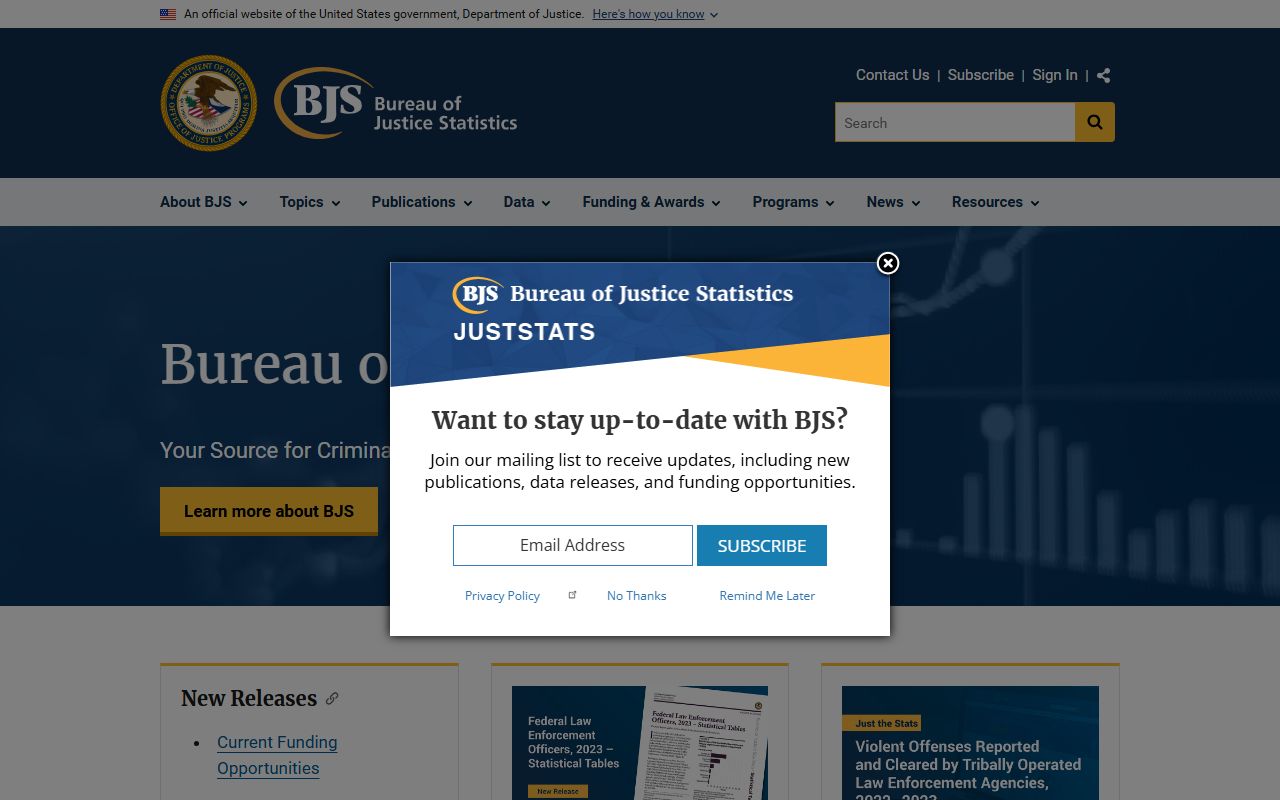
The bureau maintains both a legacy address and a current domain, and both lead to the same kind of standardized data.
You can browse the data at the Bureau of Justice Statistics, with the older bjs.gov address still in use. For local jail figures, the St. Joseph County jail population page explains where county numbers come from.